
Tirzepatide calculator: reconstitution, units and shelf life
This Tirzepatide calculator turns your vial size, the bacteriostatic water you added and your dose into the units to draw on a U-100 syringe, and shows how many doses the vial holds.
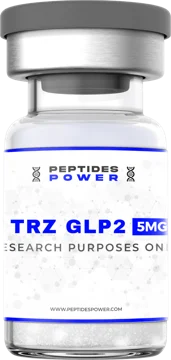
Units assume a U-100 insulin syringe, where 100 units is 1 mL. This is arithmetic, not a dosing recommendation.
How to use the Tirzepatide calculator
The Tirzepatide calculator does three sums. Strength = vial size divided by the mL of water you add. Volume per dose = your dose divided by that strength. Syringe units = that volume times 100, because a U-100 insulin syringe holds 100 units in 1 mL. MedlinePlus notes that one cc is the same as one mL (1).
Pick the vial size you have, the water you added and your dose. If your syringe is smaller than the dose, it tells you; if the draw is under 5 units, it suggests more water, because small marks are hard to read.
Worked examples for the Tirzepatide vials we sell
- 5 mg vial + 1 mL water = 5 mg/mL. A 2.5 mg dose is 0.5 mL, or 50 units.
- 5 mg vial + 2 mL water = 2.5 mg/mL. A 2.5 mg dose is 1 mL, or 100 units.
- 5 mg vial + 3 mL water = 1.667 mg/mL. A 2.5 mg dose is 1.5 mL, or 150 units.
- 20 mg vial + 1 mL water = 20 mg/mL. A 2.5 mg dose is 0.125 mL, or 12.5 units.
- 20 mg vial + 2 mL water = 10 mg/mL. A 2.5 mg dose is 0.25 mL, or 25 units.
- 20 mg vial + 3 mL water = 6.667 mg/mL. A 2.5 mg dose is 0.375 mL, or 37.5 units.
- 30 mg vial + 1 mL water = 30 mg/mL. A 2.5 mg dose is 0.083 mL, or 8.3 units.
- 30 mg vial + 2 mL water = 15 mg/mL. A 2.5 mg dose is 0.167 mL, or 16.7 units.
- 30 mg vial + 3 mL water = 10 mg/mL. A 2.5 mg dose is 0.25 mL, or 25 units.
Tirzepatide calculator chart for every vial
Units to draw for the injected doses on record, then what each syringe mark holds.
5 mg vial
| Dose | 1 mL water 5 mg/mL | 2 mL water 2.5 mg/mL | 3 mL water 1.667 mg/mL |
|---|---|---|---|
| 2.5 mg | 50 units | 100 units | 150 units (over 1 mL) |
| 5 mg | 100 units | 200 units (over 1 mL) | 300 units (over 1 mL) |
| 7.5 mg | more than the vial | more than the vial | more than the vial |
| 10 mg | more than the vial | more than the vial | more than the vial |
| 12.5 mg | more than the vial | more than the vial | more than the vial |
| 15 mg | more than the vial | more than the vial | more than the vial |
What each syringe mark holds
| Syringe mark | 1 mL water 5 mg/mL | 2 mL water 2.5 mg/mL | 3 mL water 1.667 mg/mL |
|---|---|---|---|
| 5 units | 250 mcg | 125 mcg | 83 mcg |
| 10 units | 500 mcg | 250 mcg | 167 mcg |
| 20 units | 1 mg | 500 mcg | 333 mcg |
| 25 units | 1.25 mg | 625 mcg | 417 mcg |
| 50 units | 2.5 mg | 1.25 mg | 833 mcg |
| 100 units | 5 mg | 2.5 mg | 1.67 mg |
20 mg vial
| Dose | 1 mL water 20 mg/mL | 2 mL water 10 mg/mL | 3 mL water 6.667 mg/mL |
|---|---|---|---|
| 2.5 mg | 12.5 units | 25 units | 37.5 units |
| 5 mg | 25 units | 50 units | 75 units |
| 7.5 mg | 37.5 units | 75 units | 112.5 units (over 1 mL) |
| 10 mg | 50 units | 100 units | 150 units (over 1 mL) |
| 12.5 mg | 62.5 units | 125 units (over 1 mL) | 187.5 units (over 1 mL) |
| 15 mg | 75 units | 150 units (over 1 mL) | 225 units (over 1 mL) |
What each syringe mark holds
| Syringe mark | 1 mL water 20 mg/mL | 2 mL water 10 mg/mL | 3 mL water 6.667 mg/mL |
|---|---|---|---|
| 5 units | 1 mg | 500 mcg | 333 mcg |
| 10 units | 2 mg | 1 mg | 667 mcg |
| 20 units | 4 mg | 2 mg | 1.33 mg |
| 25 units | 5 mg | 2.5 mg | 1.67 mg |
| 50 units | 10 mg | 5 mg | 3.33 mg |
| 100 units | 20 mg | 10 mg | 6.67 mg |
30 mg vial
| Dose | 1 mL water 30 mg/mL | 2 mL water 15 mg/mL | 3 mL water 10 mg/mL |
|---|---|---|---|
| 2.5 mg | 8.3 units | 16.7 units | 25 units |
| 5 mg | 16.7 units | 33.3 units | 50 units |
| 7.5 mg | 25 units | 50 units | 75 units |
| 10 mg | 33.3 units | 66.7 units | 100 units |
| 12.5 mg | 41.7 units | 83.3 units | 125 units (over 1 mL) |
| 15 mg | 50 units | 100 units | 150 units (over 1 mL) |
What each syringe mark holds
| Syringe mark | 1 mL water 30 mg/mL | 2 mL water 15 mg/mL | 3 mL water 10 mg/mL |
|---|---|---|---|
| 5 units | 1.5 mg | 750 mcg | 500 mcg |
| 10 units | 3 mg | 1.5 mg | 1 mg |
| 20 units | 6 mg | 3 mg | 2 mg |
| 25 units | 7.5 mg | 3.75 mg | 2.5 mg |
| 50 units | 15 mg | 7.5 mg | 5 mg |
| 100 units | 30 mg | 15 mg | 10 mg |
How long a vial lasts
Full doses per vial for each injected dose on record, at the schedule that source used.
| Vial | Dose | Schedule in the source | Full doses | Lasts |
|---|---|---|---|---|
| 5 mg | 2.5 mg | once weekly | 2 | about 2 weeks |
| 5 mg | 5 mg | once weekly | 1 | about 1 weeks |
| 20 mg | 2.5 mg | once weekly | 8 | about 8 weeks |
| 20 mg | 5 mg | once weekly | 4 | about 4 weeks |
| 20 mg | 7.5 mg | once weekly | 2 + 5 mg left | about 2 weeks |
| 20 mg | 10 mg | once weekly | 2 | about 2 weeks |
| 20 mg | 12.5 mg | once weekly | 1 + 7.5 mg left | about 1 weeks |
| 20 mg | 15 mg | once weekly | 1 + 5 mg left | about 1 weeks |
| 30 mg | 2.5 mg | once weekly | 12 | about 12 weeks |
| 30 mg | 5 mg | once weekly | 6 | about 6 weeks |
| 30 mg | 7.5 mg | once weekly | 4 | about 4 weeks |
| 30 mg | 10 mg | once weekly | 3 | about 3 weeks |
| 30 mg | 12.5 mg | once weekly | 2 + 5 mg left | about 2 weeks |
| 30 mg | 15 mg | once weekly | 2 | about 2 weeks |
How to mix the vial
- Work in a clean area, wash your hands and gather the vial, bacteriostatic water, a sterile syringe, alcohol pads and a sharps container (1).
- Wipe both rubber tops with an alcohol pad and let them dry (1).
- Draw the amount of bacteriostatic water you chose in the calculator into a sterile syringe.
- Push the needle through the vial's stopper and add the water slowly.
- Move the vial in a circle until the powder is gone. Do not shake it (2).
- Write the date on the vial. MedlinePlus says to date any vial you will use more than once (1).
How to draw a dose
- Check the vial: the right product, the date, and the liquid. MedlinePlus says to look for a change in color, floating pieces or cloudiness before using it.
- Wipe the rubber top with an alcohol pad.
- With the needle cap on, pull the plunger back to your dose line to fill the syringe with air, then push that air into the vial. This stops a vacuum forming.
- Turn the vial upside down, keep the needle tip in the liquid, and pull the plunger back to your dose line.
- Tap the syringe so air bubbles rise, push them back into the vial, and check the dose line again. One cc is the same as 1 mL.
Steps from MedlinePlus (1). Your dose line is the number of units the Tirzepatide calculator above gives you.
How long does Tirzepatide last once reconstituted?
Tirzepatide has an approved product, so its label gives storage rules. They are for the labelled product; a research vial from another maker has not been tested against them.
Zepbound (US): refrigerate at 2 to 8 C (36 to 46 F) in the original carton. Do not freeze. Protect from heat and light. A single-dose pen or vial may be kept unrefrigerated, at no more than 30 C (86 F), for up to 21 days in total. (3)
Approved labelBacteriostatic water
- Bacteriostatic water is sterile water with 0.9% (9 mg/mL) or 1.1% benzyl alcohol added as a preservative, so several withdrawals can be made from one vial. (4)
- Its label says to use aseptic technique for every entry into a vial, and to mix thoroughly and use promptly. (4)
- Its label says not to store a mixed (reconstituted) drug unless the maker of that drug says you can. (4)
- Benzyl alcohol is toxic to newborns, so the label says products containing it must not be used in neonates. (4)
- The unopened water is labelled for storage at 20 to 25 C (68 to 77 F). (4)
Tirzepatide calculator vial tracker
Enter the day you mixed this vial. Each square is a day; dotted squares are dose days for the vial and dose you set above.
Saved on this device only.
Which doses fit your syringe
The smallest dose worth drawing is about 5 units, because marks below that are hard to read. The largest is what the syringe holds. This table gives both ends for every mix, so you can pick the water amount that puts your dose in the readable range.
| Vial | Water | 5 units | Full 0.3 mL (30 units) | Full 0.5 mL (50 units) | Full 1 mL (100 units) |
|---|---|---|---|---|---|
| 5 mg | 1 mL | 250 mcg | 1.5 mg | 2.5 mg | 5 mg |
| 5 mg | 2 mL | 125 mcg | 750 mcg | 1.25 mg | 2.5 mg |
| 5 mg | 3 mL | 83 mcg | 500 mcg | 833 mcg | 1.67 mg |
| 20 mg | 1 mL | 1 mg | 6 mg | 10 mg | 20 mg |
| 20 mg | 2 mL | 500 mcg | 3 mg | 5 mg | 10 mg |
| 20 mg | 3 mL | 333 mcg | 2 mg | 3.33 mg | 6.67 mg |
| 30 mg | 1 mL | 1.5 mg | 9 mg | 15 mg | 30 mg |
| 30 mg | 2 mL | 750 mcg | 4.5 mg | 7.5 mg | 15 mg |
| 30 mg | 3 mL | 500 mcg | 3 mg | 5 mg | 10 mg |
Tirzepatide at a glance
Tirzepatide is a glucose-dependent insulinotropic polypeptide (GIP) receptor and glucagon-like peptide-1 (GLP-1) receptor agonist, sold as a once-weekly injection under the skin. (5)
United States: FDA approved as Mounjaro (13 May 2022) and Zepbound (8 November 2023). (6) Canada: Authorized by Health Canada as Mounjaro and Zepbound, both listed as marketed in the Drug Product Database. (7)
9 label doses and 11 human-study doses are on record. The 6 injected ones are the dose buttons above:
- 2.5 mg, once weekly: Zepbound (US), starting dose (3)
- 5 mg, once weekly: Zepbound (US), step after the first 4 weeks; lowest maintenance dose for weight (3)
- 7.5 mg, once weekly: Zepbound (US), escalation step between 5 mg and 10 mg; not a listed maintenance dose (3)
- 10 mg, once weekly: Zepbound (US), maintenance dose for weight or sleep apnea (3)
- 12.5 mg, once weekly: Zepbound (US), escalation step between 10 mg and 15 mg; not a listed maintenance dose (3)
- 15 mg, once weekly: Zepbound (US), maintenance dose and maximum (3)
Every dose with its study, side effects and the research are on the Tirzepatide dosage page.
Tirzepatide calculator questions
How much bacteriostatic water for a 5 mg Tirzepatide vial?
No label sets an amount for this vial. 2 mL makes 2.5 mg per mL, so every 10 units on a U-100 syringe holds 250 mcg.
How many units is 2.5 mg of Tirzepatide?
100 units with a 5 mg vial mixed with 2 mL of water.
How many doses are in a 5 mg Tirzepatide vial?
2 full doses of 2.5 mg.
Does adding more water change the Tirzepatide dose?
No. The vial holds the same 5 mg of Tirzepatide whatever you add. More water only spreads it over more mL, so the same dose takes more syringe units. With 1 mL a dose of 1 mg is 20 units; with 3 mL the same dose is 60 units.
What if my Tirzepatide dose is more than the syringe holds?
Either use a bigger syringe or add less water next time. With a 5 mg vial in 2 mL, a full 1 mL syringe holds 2.5 mg, a 0.5 mL syringe 1.25 mg and a 0.3 mL syringe 750 mcg. Splitting one dose into two draws doubles the chance of a measuring error.
Why does the Tirzepatide calculator warn under 5 units?
Marks under 5 units are small and easy to misread, so a tiny draw can be off by a large share of the dose. More water makes every dose a bigger number on the syringe. In a 5 mg vial with 3 mL, 5 units holds 83 mcg.
How many 10 unit draws are in a 5 mg Tirzepatide vial?
With 2 mL of water the vial holds 200 units in total, so 20 draws of 10 units, each holding 250 mcg. With 3 mL it is 30 draws of 10 units, each holding 167 mcg.
What strength does a Tirzepatide vial make?
It depends on the vial and the water: 5 mg in 1 mL makes 5 mg per mL; 5 mg in 2 mL makes 2.5 mg per mL; 5 mg in 3 mL makes 1.667 mg per mL; 20 mg in 1 mL makes 20 mg per mL; 20 mg in 2 mL makes 10 mg per mL; 20 mg in 3 mL makes 6.667 mg per mL; 30 mg in 1 mL makes 30 mg per mL; 30 mg in 2 mL makes 15 mg per mL; 30 mg in 3 mL makes 10 mg per mL.
Which syringe should I use?
A U-100 insulin syringe. The 1 mL size holds 100 units, the 0.5 mL size 50 units and the 0.3 mL size 30 units; the smaller ones have finer marks.
How long does Tirzepatide last after mixing?
Zepbound (US): refrigerate at 2 to 8 C (36 to 46 F) in the original carton. Do not freeze. Protect from heat and light. A single-dose pen or vial may be kept unrefrigerated, at no more than 30 C (86 F), for up to 21 days in total.
Sources
- MedlinePlus, Drawing medicine out of a vial (reviewed 14 Jan 2026). medlineplus.gov
- Egrifta WR (tesamorelin) US prescribing information, section 2.2. DailyMed
- Zepbound (tirzepatide) injection, US prescribing information, Eli Lilly and Company, label version 40. dailymed.nlm.nih.gov
- Bacteriostatic Water for Injection, USP (Hospira) label. DailyMed
- Mounjaro (tirzepatide) injection, US prescribing information, Eli Lilly and Company, label version 40. dailymed.nlm.nih.gov
- Drugs@FDA via openFDA: applications with generic name tirzepatide. api.fda.gov
- Health Canada Drug Product Database: products with active ingredient tirzepatide, with status lookups. health-products.canada.ca