
How to Test Peptides
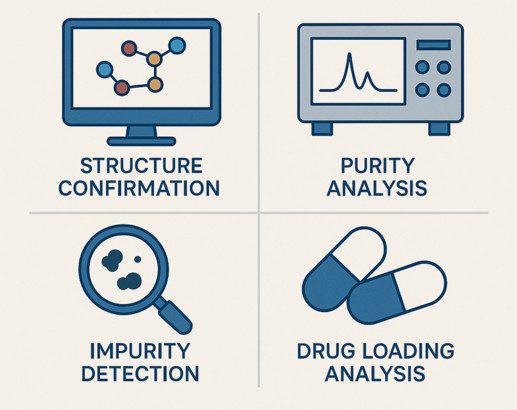
How to Test Peptides: Ensuring Purity, Quality, and Accuracy
Understanding Why Peptide Testing Matters
Peptides are complex biological compounds made up of amino acid chains that play critical roles in research, health, and cellular repair studies. Because they’re so delicate, even small differences in purity, composition, or handling can alter results significantly.
Knowing how to test peptides ensures that what you’re working with meets research-grade standards and performs as intended. Whether you’re verifying a new batch, checking stability, or confirming reconstitution quality, proper testing is the foundation of accurate peptide research.
In this guide, we’ll break down the main methods used to verify peptide integrity, the tools and supplies you’ll need, and how to read lab results effectively.
Why Testing Peptides Is Essential
Peptides are synthesized through precision chemical processes, and while reputable suppliers like PeptidesPower use advanced quality control, testing still matters for research validation.
Here’s why:
Purity verification: Confirms that your peptide isn’t contaminated by incomplete chains or byproducts.
Identity confirmation: Ensures the peptide sequence matches its intended amino acid structure.
Stability and potency checks: Determines whether the peptide maintains its molecular integrity over time.
Safety and reproducibility: Guarantees consistent performance and reliable data in experimental environments.
Without testing, there’s no way to confirm if the compound’s concentration, sequence, or structure is correct—especially when purchasing from unknown sources.
The Two Primary Types of Peptide Testing
There are two general approaches used in peptide verification: supplier-side analytical testing and independent laboratory testing.
1. Supplier-Provided Testing (Certificate of Analysis)
Reputable peptide manufacturers perform extensive quality testing before releasing products. The results are usually shared through a Certificate of Analysis (COA) — a document that confirms purity, mass, and composition.
Every product sold on PeptidesPower.com includes verified third-party COA documentation that provides data on:
Purity percentage (typically ≥ 98%)
Peptide sequence confirmation
Mass spectrometry (MS) results
High-performance liquid chromatography (HPLC) profile
These reports are essential for researchers because they show the peptide’s precise makeup and whether it meets the required standards for scientific work.
2. Independent Laboratory Testing
Some researchers or institutions prefer to test peptides themselves to confirm purity or monitor degradation during storage.
Independent testing can verify that your peptide matches the manufacturer’s data, especially if the compound has been reconstituted, transported, or stored for extended periods.
Common techniques include:
HPLC (High-Performance Liquid Chromatography)
Mass Spectrometry (MS)
NMR (Nuclear Magnetic Resonance) Spectroscopy
Amino Acid Analysis (AAA)
Let’s take a closer look at how these methods work.
Common Peptide Testing Methods
1. High-Performance Liquid Chromatography (HPLC)
HPLC is the gold standard for peptide purity analysis. It separates compounds in a mixture and measures the concentration of each component.
Here’s what it tells you:
The purity percentage of your peptide (should typically exceed 95%)
Presence of any impurities or unreacted amino acids
The peptide’s retention time, which helps confirm its identity
HPLC produces a visual chromatogram — a graph that shows sharp peaks representing pure compounds and smaller peaks for impurities. A clean, dominant peak indicates a high-purity peptide.
Researchers often use reverse-phase HPLC (RP-HPLC) for short-chain peptides, as it’s precise, efficient, and widely accepted in peptide synthesis validation.
2. Mass Spectrometry (MS)
Mass spectrometry determines a peptide’s molecular weight and verifies that it matches the theoretical mass based on its amino acid sequence.
In testing, your peptide sample is ionized and passed through a detector that measures the mass-to-charge ratio (m/z). The result shows whether the peptide’s structure is intact and if its chain has formed correctly.
When combined with HPLC (in LC-MS testing), this method provides a comprehensive look at both purity and molecular identity — the most reliable standard for modern peptide verification.
3. Nuclear Magnetic Resonance (NMR) Spectroscopy
NMR uses magnetic fields and radio waves to map the chemical environment of a molecule’s atoms. It’s particularly useful for verifying three-dimensional structure and amino acid arrangement.
While more advanced and costly, NMR gives researchers deep insight into the conformation and folding of peptides — valuable for long or complex chains like CJC-1295 or Thymosin Alpha-1.
NMR testing is typically performed by university or specialized contract laboratories rather than individual researchers due to its high technical requirements.
4. Amino Acid Analysis (AAA)
This method involves hydrolyzing a peptide into individual amino acids, which are then separated and quantified.
AAA helps confirm that each amino acid is present in the correct ratio according to the peptide’s theoretical formula.
It’s not as precise for structural identity as HPLC or MS, but it’s useful for checking the overall amino acid composition and stability after long-term storage.
How to Interpret Peptide Test Results
When reviewing your Certificate of Analysis (COA) or independent test data, focus on these key points:
Purity (%): The higher the better. Research-grade peptides are expected to be at least 98% pure.
HPLC Chromatogram: One sharp, primary peak indicates a pure sample. Multiple irregular peaks may suggest contaminants.
Mass Spectrometry Data: The molecular weight should match the theoretical value for the peptide’s sequence.
Appearance: Pure lyophilized peptides should appear as white to off-white crystalline powder. Any discoloration may indicate oxidation or contamination.
If your peptide deviates from these standards, it’s best to contact the supplier or re-test before proceeding with any research.
At-Home Peptide Verification (Visual and Practical Checks)
While lab analysis is ideal, researchers can perform some basic verification steps when handling peptides:
Visual inspection: The powder should be uniform in color and texture, free from clumps or residue.
Reconstitution clarity: Once mixed with bacteriostatic water, the solution should be clear and colorless. Cloudiness or sediment indicates possible contamination or degradation.
Storage stability: Label vials with dates and store reconstituted peptides at 2–8°C (refrigerated), and lyophilized vials at −20°C (freezer).
Odor check: Peptides should have little to no smell. Any strong or sour odor can signal breakdown.
These quick checks help ensure that your peptides remain stable between formal tests.

Choosing a Reliable Peptide Supplier
Testing begins with trustworthy sourcing. A reliable vendor should be transparent about quality control and provide batch-specific documentation.
When choosing a supplier, look for:
Third-party COA testing for every batch
Proper labeling and batch traceability
Cold-chain shipping for stability
Responsive customer support for data requests
PeptidesPower.com meets these standards by working with certified analytical labs and offering COA-backed peptides like:
How Often Should Peptides Be Tested?
Testing frequency depends on how the peptides are stored and used.
Upon receiving a new batch: Verify COA and perform basic checks.
Every 3–6 months for long-term stored vials (especially if reconstituted).
After exposure to heat or light during shipping or handling.
Reputable suppliers maintain strict environmental control, but secondary verification gives additional assurance for critical research projects.
When to Re-Test Peptides
Re-test your peptides if:
The powder changes color or texture
The reconstituted solution becomes cloudy
It’s been stored unrefrigerated for extended periods
You notice inconsistent experimental outcomes
Even high-purity peptides can degrade over time if improperly handled. Re-testing ensures reliability and reproducibility.
Final Thoughts
Peptides are powerful tools for research in cell regeneration, metabolic support, and hormone signaling, but their precision depends on one thing — purity and verification.
Testing peptides is not just a formality; it’s a fundamental quality step that safeguards data accuracy and research integrity.
When possible, rely on HPLC and mass spectrometry results from verified COAs, and perform periodic stability checks if peptides are stored for extended durations.
To simplify the process, PeptidesPower.com provides:
COA-verified purity reports
Educational resources like the Peptide Storage Guide
Reliable delivery with temperature-safe packaging
By combining high-quality sourcing with smart testing practices, you can ensure your peptides perform consistently and safely in every research setting.
