
BPC-157 Side Effects

BPC-157 Side Effects: What You Need to Know
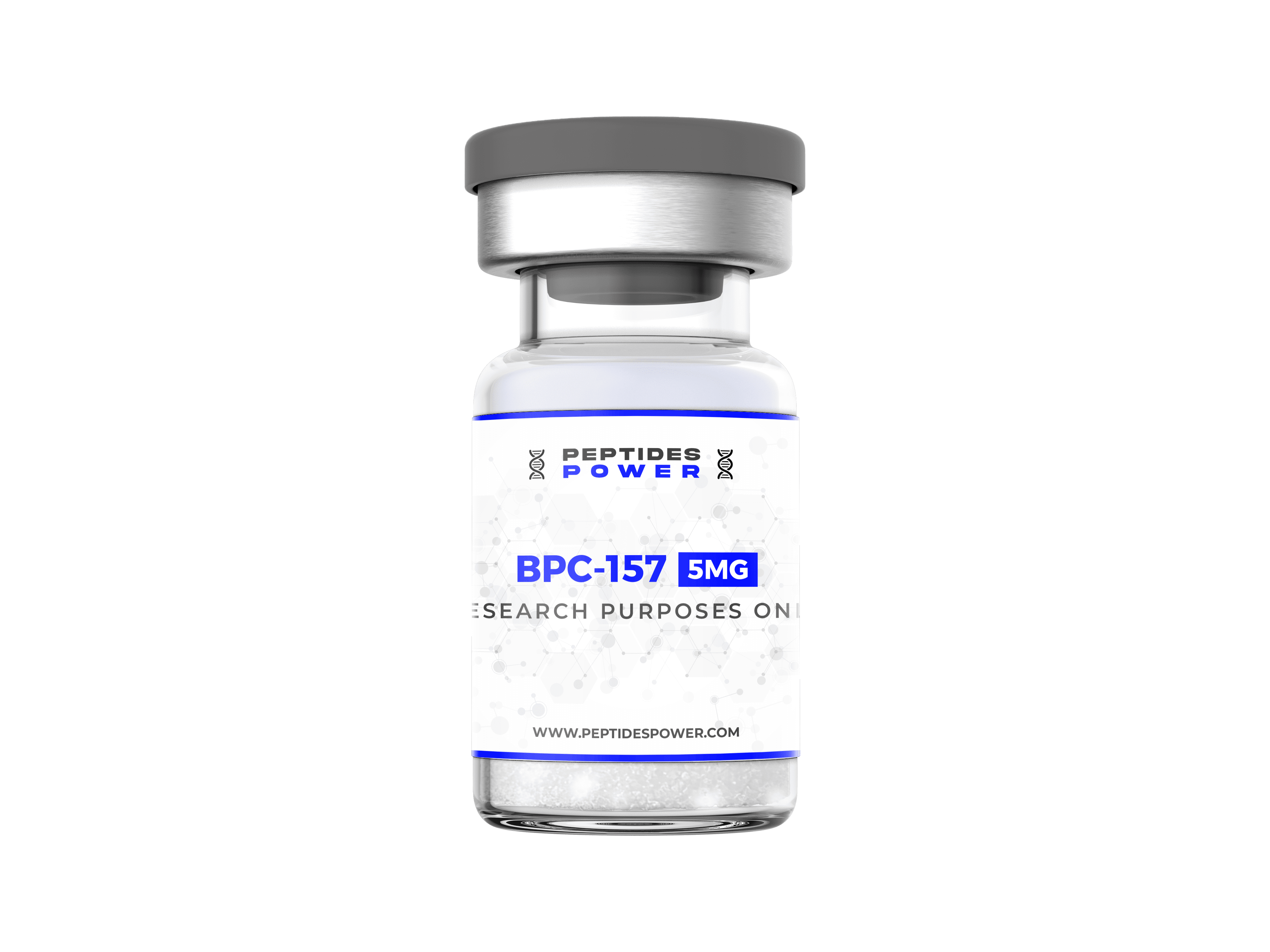
BPC-157 is a synthetic peptide derived from a protein found in the stomach. It has gained popularity for its potential in tissue repair, gut health, and muscle recovery. Many athletes, bodybuilders, and individuals seeking faster injury healing have turned to this peptide. However, like any compound, it’s important to understand BPC-157 side effects before considering its use.
How BPC-157 Works in the Body
BPC-157 is known for its ability to promote angiogenesis (the formation of new blood vessels), reduce inflammation, and accelerate wound healing. It interacts with growth factors and cellular pathways, potentially aiding in tissue regeneration. This has made it a popular choice among those recovering from injuries or chronic inflammation issues.
Is BPC-157 Safe?
One of the most discussed aspects of BPC-157 is its safety profile. Research suggests it has a low toxicity level in animal studies. However, since human clinical trials are limited, long-term safety data is not fully established. Despite this, many anecdotal reports suggest minimal side effects when taken at appropriate dosages.
Potential Side Effects of BPC-157
| Side Effect | Likelihood | Possible Cause |
|---|---|---|
| Nausea and Digestive Discomfort | Mild to Moderate | Impact on gut motility |
| Dizziness or Lightheadedness | Mild | Changes in blood flow or blood pressure |
| Headaches | Mild | Neurological effects |
| Fatigue or Lethargy | Mild to Moderate | Body’s response to tissue repair |
| Increased Hunger | Mild | Gastric hormone interactions |
| Localized Injection Site Reactions | Mild | Reaction to subcutaneous injections |
| Potential Long-Term Unknown Risks | Unknown | Lack of long-term human studies |
1. Nausea and Digestive Discomfort
Some users report mild nausea, bloating, or stomach discomfort after taking BPC-157. Since it originates from a gastric protein, these effects may stem from its impact on gut motility.
2. Dizziness or Lightheadedness
A small percentage of users experience dizziness or a sense of imbalance. This could be due to changes in blood flow or blood pressure regulation.
3. Headaches
Another commonly reported side effect is mild headaches. These could result from neurological changes triggered by BPC-157’s effects on brain chemistry and inflammation.
4. Fatigue or Lethargy
Some users feel tired or sluggish after using BPC-157. This could be the body’s natural response to tissue repair, requiring more energy to support healing processes.
5. Increased Hunger
Because BPC-157 may affect gut health and metabolism, some individuals notice an increase in appetite. This could be a result of its interaction with gastric hormones like ghrelin.
6. Localized Injection Site Reactions
For those using BPC-157 injections, redness, irritation, or swelling at the injection site can occur. This is a common reaction to subcutaneous injections and typically resolves within a few hours.
7. Potential for Unknown Long-Term Effects
Since long-term human studies are lacking, there may be unknown risks associated with extended BPC-157 use. While research suggests it is relatively safe, more clinical data is needed to confirm its long-term impact on the body.
Does BPC-157 Have Any Serious Risks?

Currently, no significant life-threatening side effects have been reported. However, because BPC-157 influences blood vessels, cell growth, and healing, some concerns exist regarding its potential impact on tumor growth or abnormal cell proliferation. More research is needed to fully assess this risk.
Who Should Avoid BPC-157?
While many users tolerate BPC-157 well, certain individuals may want to avoid it:
- Pregnant or breastfeeding women (due to a lack of safety data)
- Individuals with active cancers (since it promotes tissue growth)
- People with blood pressure issues (due to potential circulation effects)
- Those with severe digestive disorders (it may alter gut function)
Best Practices for Safe BPC-157 Use
To minimize potential side effects, consider the following precautions:
- Start with a low dose and monitor your body’s response
- Use high-quality BPC-157 from a reputable source
- Rotate injection sites if using injectable BPC-157
- Stay hydrated to support metabolism and cellular function
- Consult a healthcare professional if you have underlying health conditions
Conclusion
BPC-157 is a promising peptide with potential benefits for healing, inflammation reduction, and gut health. While side effects appear to be mild and manageable, long-term human studies are needed to confirm its full safety profile. If you’re considering BPC-157, responsible use and monitoring are essential to minimize risks.
FAQs
1. Does BPC-157 cause cancer?
There is no direct evidence linking BPC-157 to cancer, but more research is needed to understand its effects on cell growth and long-term use.
2. Can I take BPC-157 orally instead of injecting it?
Yes, oral BPC-157 is available, but injections are considered more effective for systemic healing and injury recovery.
3. How long does BPC-157 stay in your system?
BPC-157 has a short half-life of a few hours, but its effects can last longer due to its regenerative properties.
4. Can BPC-157 be used with other peptides?
Yes, some people stack BPC-157 with TB-500 for enhanced healing, but it’s important to research interactions before combining peptides.
